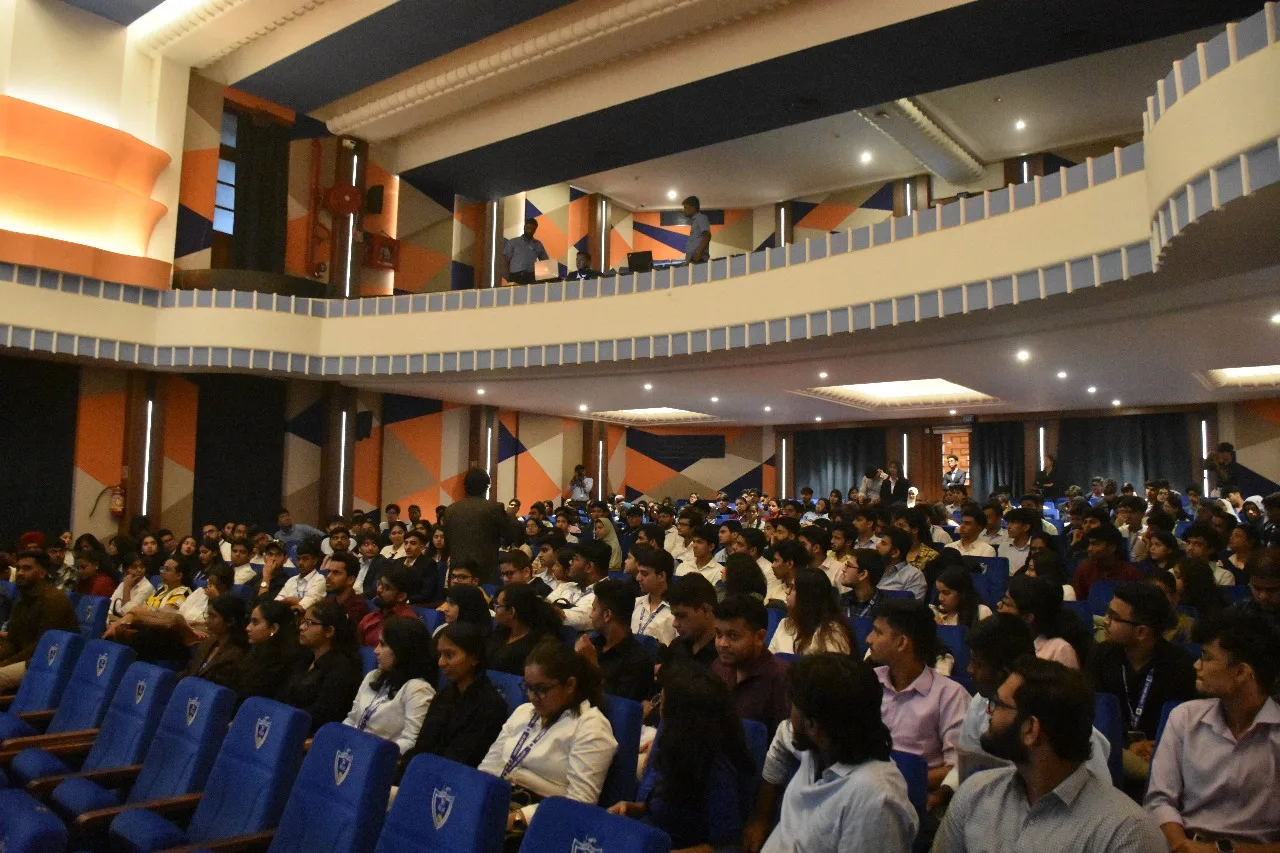
About Jai Hind College
78+ Years of “I Will & I Can”
Overview
Churchgate, since 1948
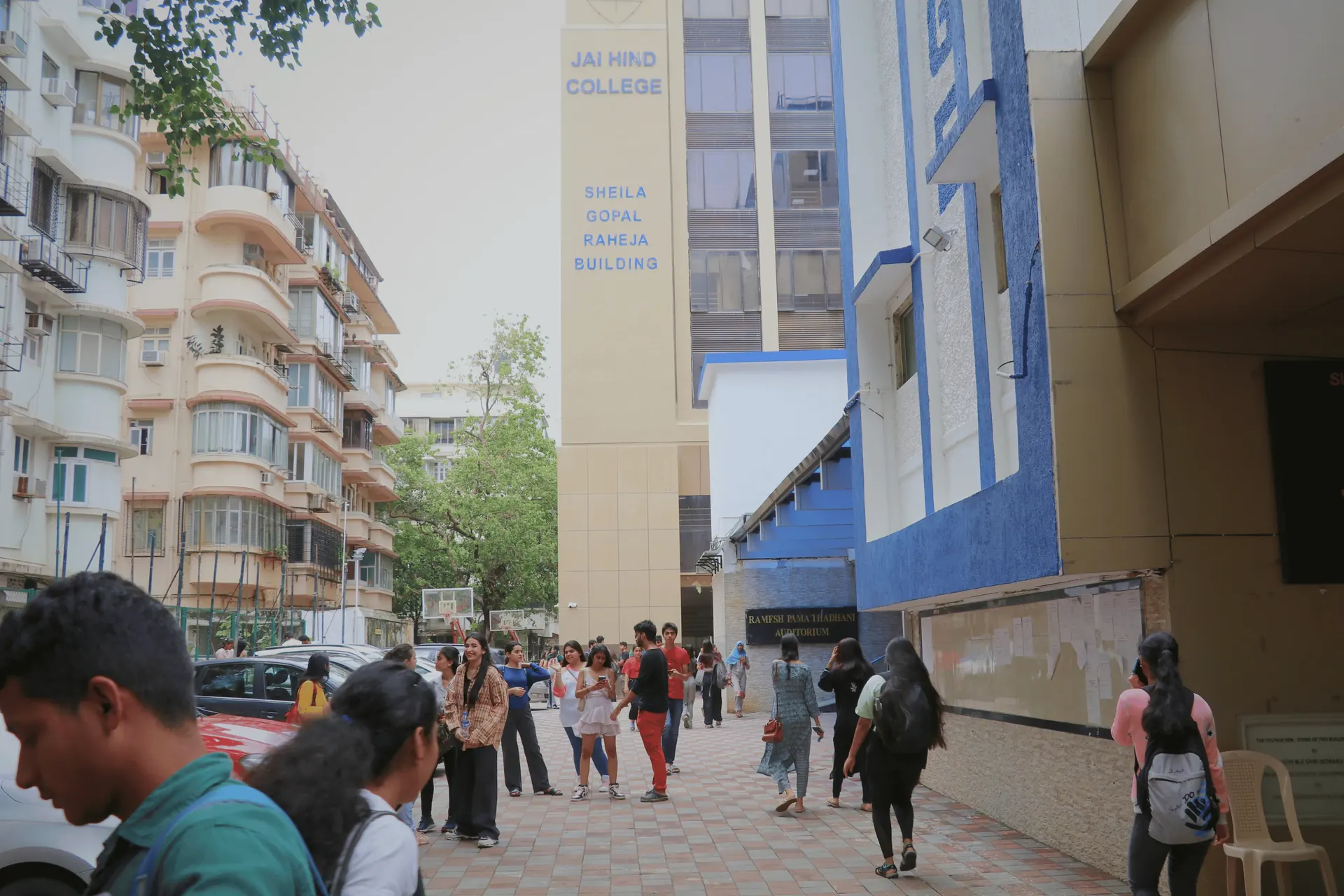
Jai Hind College was founded in 1948 by former professors of D.J. Sind College, Karachi, together with other eminent educationists, under the registered body of the Sind Educationists’ Association. Its founding purpose was the educational rehabilitation of the Sindhi community after Partition. Located on ‘A’ Road, Churchgate, in South Mumbai’s educational and commercial hub, the College began as a two-room institution teaching only the Arts. It added Science in 1949 and Commerce in 1980. Over the last 78 years, it has grown into one of the city’s premier multidisciplinary institutions, guided by its motto, “I Will & I Can,” and by a consistent commitment to academic excellence, holistic development and national service.

Est. 1948
Founded in Mumbai

Empowered Autonomous
2023–24 onward

NAAC A+
CGPA 3.36/4, 4th Cycle

University of Mumbai
Affiliated
Empowered Autonomous
Institutional Profile & Governance
1948
Established
24
UG programmes
5
PG programmes
1
Doctoral programme
Jai Hind College, Basantsing Institute of Science & J.T. Lalvani College of Commerce and Sheila Gopal Raheja College of Management was established in 1948. Affiliated to University of Mumbai, it is managed by Sind Educationists’ Association and has been conferred ‘Empowered Autonomous’ status in 2023-24. One of the premier educational institutions of Mumbai, it offers a wide array of programs under the Aided and Self- financed sections. Starting from a humble two-room Arts College in 1948, it soon progressed to include Science in 1949, and Commerce in 1980. There are at present, 24 UG programs, 5 PG programs and 1 Doctoral Program with 1 additional UG program introduced in 2024-25.
The institution has successfully undergone three cycles of NAAC accreditation and is proud to have received a A+ grade with a CGPA 3.36 out of 4 in its third cycle. In 2014-15, the college was conferred “Best College Award” by University of Mumbai. In 2015-16, the college received DST-FIST grant for improvement in Science and Technology infrastructure. In 2018-19, three departments Botany, Chemistry and Microbiology, were identified for promotion and popularization of Science under the DBT-STAR scheme. In 2018-19, Union Ministry of HRD and University of Mumbai granted ‘Autonomous Status’ to the college. The same academic year saw the institution being recognized by RUSA as ‘College of Excellence’. On 3rd February 2019, Entrepreneurship Cell and Skill Hub Centre at Jai Hind College was digitally launched by Honorable Prime Minister Shri Narendra Modi.
The College’s governance has moved steadily towards greater academic freedom and accountability. The Union Ministry of HRD and the University of Mumbai granted it Autonomous status in 2018, in recognition of its sustained record in academics and student development. In 2023, the University of Mumbai elevated it to Empowered Autonomous status. The College remains affiliated to the University of Mumbai and is managed by the Sind Educationists’ Association. It operates through the statutory bodies prescribed under UGC autonomy regulations: the Governing Council, Academic Council, Boards of Studies, Finance Committee and Examination Committee.
- Governing Council
- Academic Council
- Boards of Studies
- Finance Committee
- Examination Committee
Academics & Outcomes
Programmes, Faculty & Outcomes
29
UG & PG programmes
~180
Faculty members
A+
NAAC · CGPA 3.36
59.6%
Placement improvement · NIRF 2025
The Internal Quality Assurance Cell (IQAC) anchors quality assurance. This structure gives the College independent authority over curriculum design, assessment and the launch of new programmes, within a framework of statutory oversight and NEP 2020 compliance. College secured A+ grade with a CGPA of 3.36 out of 4 in its Fourth NAAC cycle.
Academically, the College offers 29 undergraduate and postgraduate programmes across the Arts, Science, Commerce and Management. These are supported by a faculty of about 180. Since 2000, the College has added employability-oriented self-financed and vocational programmes. These include BMS, BMM, BAF, BBI and BFM, B.Voc. programmes in Travel and Tourism Management and in Software Development, and, more recently, the Bachelor of Digital Strategy. A postgraduate MSc in Big Data Analytics is offered in partnership with TCS. Doctoral research, a broad portfolio of certificate, skill-development and value-added courses, and the Jai Hind Research Centre. The College’s institutional standing is reflected in its participation in national rankings and its graduate outcomes. NIRF 2025 data show an improvement of about 59.6% in the College’s placement percentage. Graduates go on to careers in banking, finance, consultancy, media, government and entrepreneurship. College is actively expanding its postgraduate and research offerings, building industry and CSR partnerships, and developing infrastructure aligned with the goals of Viksit Bharat 2047 and Maharashtra’s higher education and skilling mission.
From 2023–24
NEP 2020 at Jai Hind
The College has embraced the National Education Policy (NEP) 2020 as the guiding framework for its academic transformation and has used its autonomy to implement the policy fully and early. From the academic year 2023–24, in line with the Government of Maharashtra and University of Mumbai implementation timeline, the College introduced the Four-Year Undergraduate Programme (FYUGP) under a revised credit framework. The programme offers multiple entry and exit options and the curriculum is built on a multidisciplinary Major–Minor structure supported by Open Electives, Vocational and Skill Enhancement Courses, Ability Enhancement Courses, Value Education Courses, Indian Knowledge Systems, and Field Projects, On-the-Job Training and Research Projects. Students’ credits are recorded on the Academic Bank of Credits (ABC) platform, enabling credit mobility. Blended learning through SWAYAM and other MOOCs further widens flexibility and choice. In keeping with the policy’s emphasis on future-ready skills, the College has introduced an Artificial Intelligence Open Elective for first- and second-year Arts students. It is also expanding vocational, research and interdisciplinary pathways, new programs, industry collaborations, global certifications and International and National Conferences. Through these measures, the College is translating NEP 2020’s vision of holistic, flexible, skill-integrated and research-oriented education into practice, producing graduates equipped for employment, entrepreneurship and responsible citizenship.
- Four-Year UG Programme (FYUGP)
- Multiple entry & exit
- Major–Minor structure
- Open Electives
- Vocational & Skill Enhancement Courses
- Ability Enhancement Courses
- Value Education Courses
- Indian Knowledge Systems
- Field Projects & OJT
- Research Projects
- Academic Bank of Credits (ABC)
- SWAYAM & MOOCs
- AI Open Elective (Arts, FY & SY)
What guides us
Vision & Mission
Vision
To provide world-class education.
Mission
To be the institution of choice for students and employers alike, known for producing good citizens and leaders by providing a well-rounded education of international standards.

Motto
“I Will & I Can”
Principal’s Message
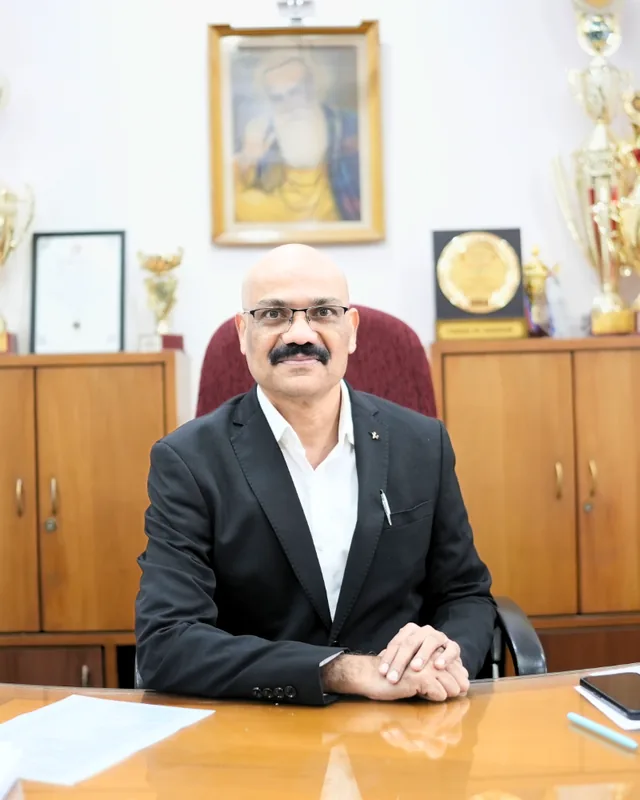
Prof. (Dr.) Vijay Dabholkar
Principal, Jai Hind College
From the Principal’s Desk
Dear Students, Faculty, and Esteemed Stakeholders,
I welcome you, and extend my warmest greetings from the Principal’s desk at Jai Hind College.
We, at Jai Hind College, are committed to providing you with a comprehensive and enriching educational experience. Our dedicated faculty has explored a wide range of subjects, ensuring that you receive a holistic education that prepares you for success in all aspects of life.
Education is the key to unlocking one’s true potential, as the famous Irish poet, William Butler Yeats once said, “Education is not the filling of a pail, but the lighting of a fire”. We firmly imbibe this principle in our teaching methodologies. Our faculty members are passionate about imparting knowledge that empowers students such as you to make a positive impact on society. Through interactive lectures, practical sessions, and collaborative projects, we aim to foster critical thinking, creativity, and problem-solving skills in all our students.
“Education is not the filling of a pail, but the lighting of a fire.”W. B. Yeats, as quoted by the Principal
The recently introduced National Education Policy (NEP) has brought about significant changes in the Indian education system by focusing on holistic development, multidisciplinary learning, and skill enhancement. At Jai Hind College, we have embraced NEP’s principles, and are dedicated to nurturing well-rounded individuals who possess not only subject knowledge but also the ability to adapt, innovate, and contribute meaningfully to society.
I am delighted to share that Jai Hind College has been granted “Empowered Autonomous College” status by the University of Mumbai in 2023. This recognition symbolizes our commitment to academic excellence and gives us the freedom to design innovative programs and curricula that align with the needs of the industry and society, and provide our students with a competitive edge.
As we continue on this journey of excellence, we remain grateful for the unwavering support from all our stakeholders. Together, we will strive to nurture and empower the next generation of leaders, innovators, and change-makers.
In conclusion, I would like to quote Nelson Mandela’s views on education: “Education is the most powerful weapon.” Let us harness the power of education to create a better future, not only for ourselves but for the entire community. Together, we can make a difference.
Thank you for your continued trust in Jai Hind College.
Warm regards,
Prof. (Dr.) Vijay Dabholkar
Principal, Jai Hind College
Leadership
Governing Council
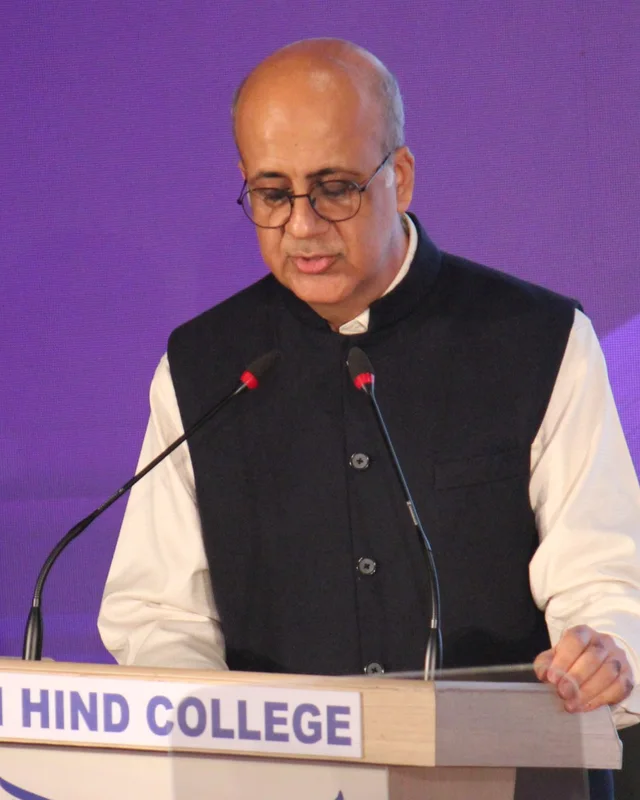
Rajesh Thadani
Board President
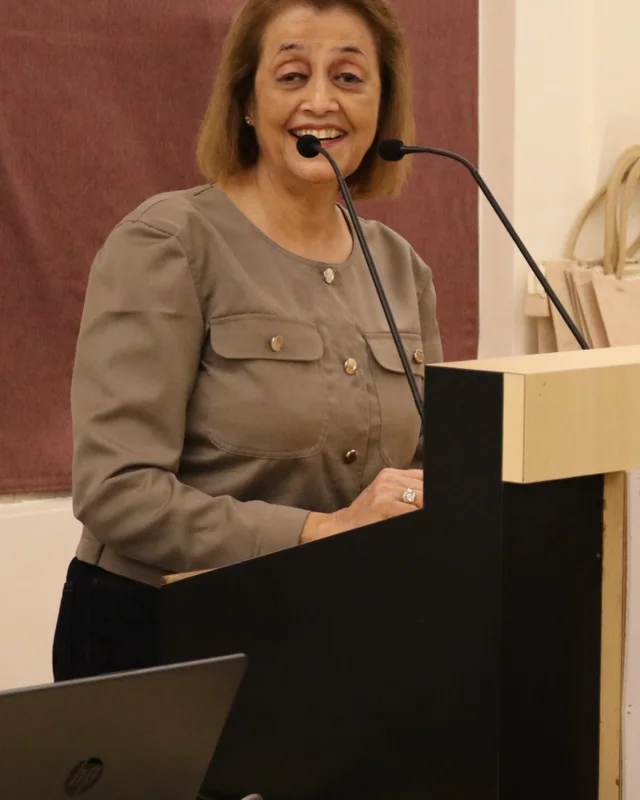
Jyoti Thakur
Designation to be supplied
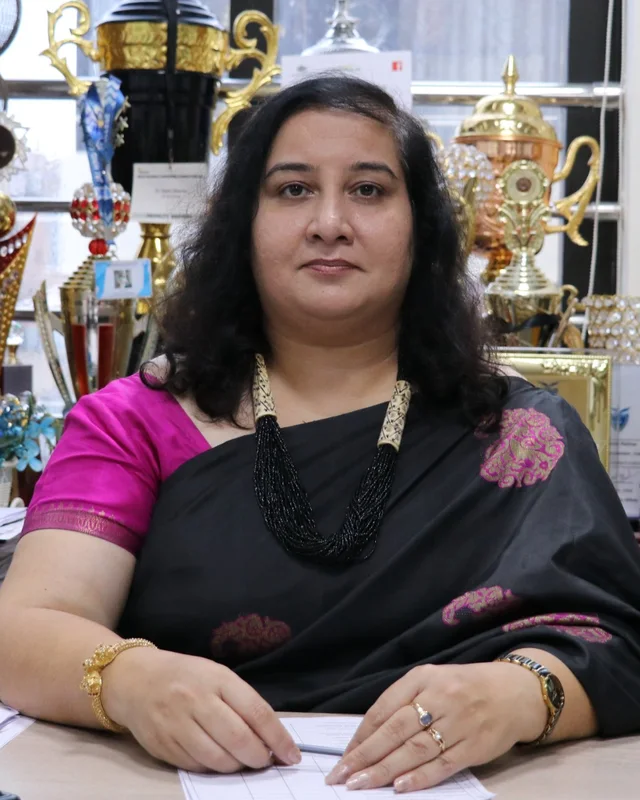
Dr Rakhi Sharma
Designation to be supplied
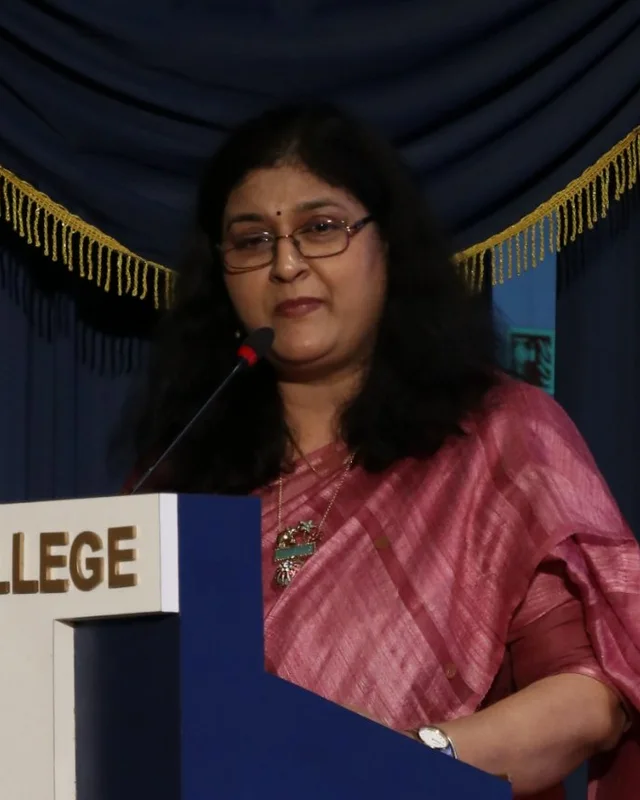
Archana
Vice Principal
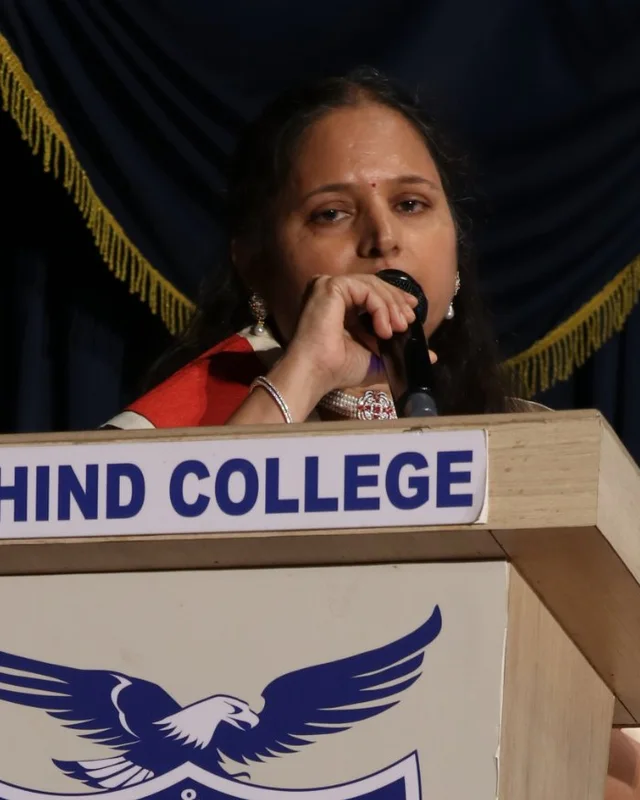
Sangeeta
Vice Principal
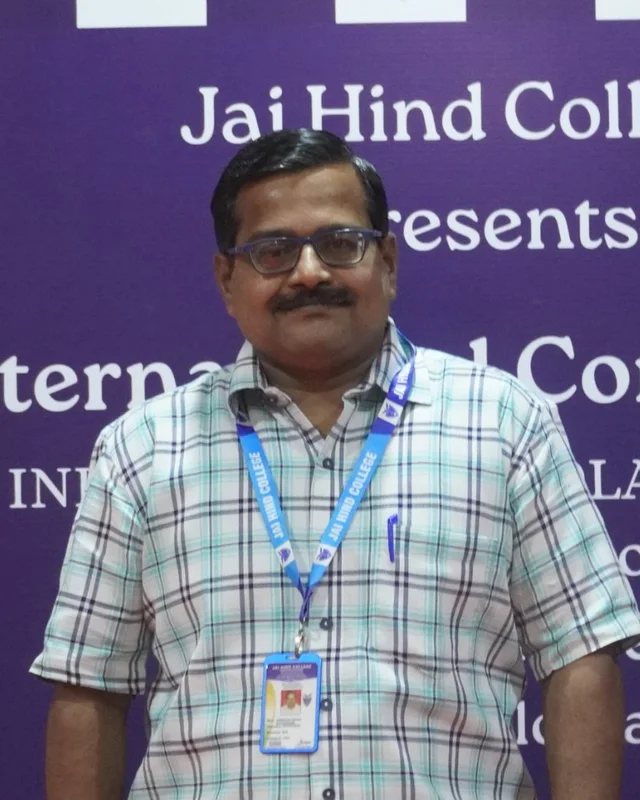
Uddhav
Vice Principal
Since 1948
History & Legacy
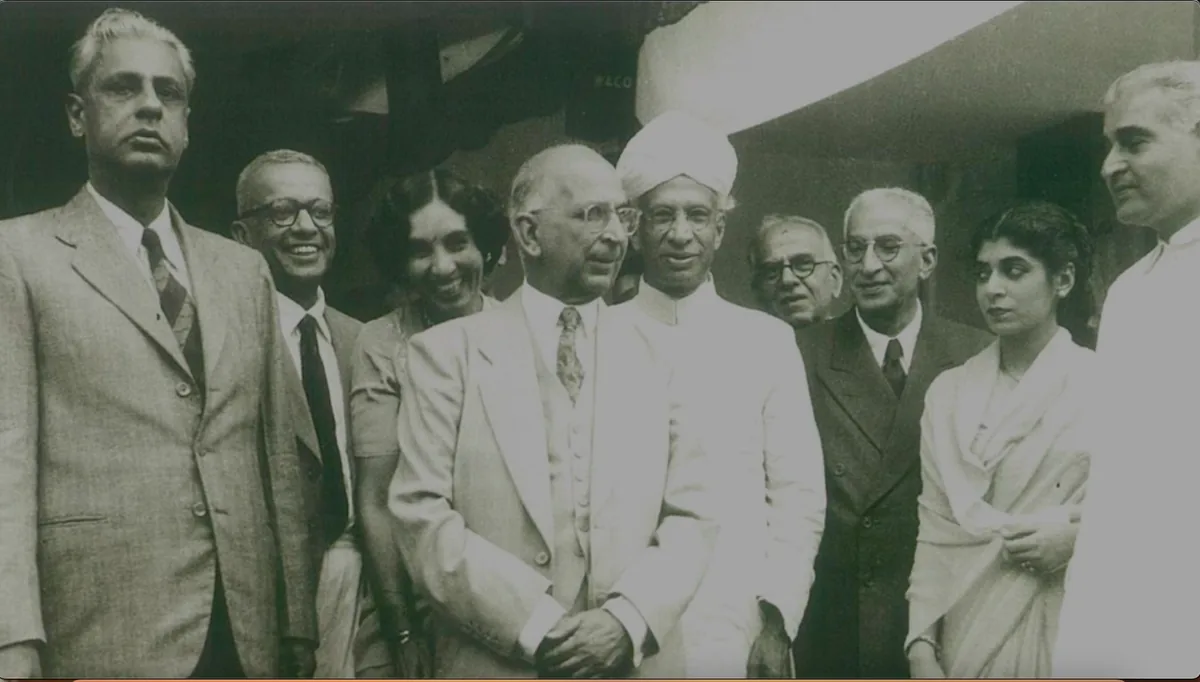
Jai Hind College, Empowered Autonomous, Mumbai, has a history spanning several years since it’s inception in 1948. Soon after the Indian Independence, a group of visionary professors of D.J. Sind College, Karachi, and other eminent educationists founded Jai Hind College under the registered name of ‘Sind Educationists’ Association’ primarily for the educational rehabilitation of the Sindhi community. Their goal was to contribute their expertise, knowledge, and skills in order to set up an educational institution par excellence.
From a humble Arts college, Jai Hind College soon diversified into Science in 1949, followed by Commerce in 1980. Post 2000, several Self-financed and Vocational Programs were introduced to improve employability of students, such as Bachelor of Management Studies (BMS), Bachelor of Mass Media (BMM), Bachelor of Accounting and Finance (BAF), Bachelor of Banking and Insurance (BBI), Bachelor of Financial Market (BFM) and, Bachelor of Vocational Studies in Travel & Tourism Management (B. Voc. TTM) and Software Development (B. Voc. SD).Programs such as Bachelor of Digital Strategy (BDS) , Master of Science in Big Data Analytics and Bachelor of Business Administration (BBA) in collaboration with TCS as the Industry partner,Bachelor In International Accounting (BIA) And Bachelor In Actuarial Science And Quantitative Finance (BAQF) were recently introduced. Inclusion of such Industry aligned Programs are periodically assessed based on feedback from all stakeholders to help align academics with current market demands.
Our notable alumni, such as Mr. Sunil Dutt,Mr.Piyush Goyal,Ms.Supriya Sule,Dr.Raghunath Mashelkar,Mr.Vikram Nankani,Mr Ajay Piramal, Ms Priyanka Chopra Jonas, Mr. John Abraham ,Mr. Vishal Dadlani, Mr.Shaan and many others began their illustrious journeys at Jai Hind College, proving that students can achieve national and global recognition with our foundation.
The Union Ministry of HRD and the University of Mumbai conferred on us the prestigious Empowered Autonomous Status for a period of ten years from the academic year 2023-24.
Over the years , Jai Hind College has empowered students to achieve their dreams while staying true to the value systems of the Founding Fathers.
Founder
The founding of Jai Hind College in 1948.
To be supplied
Founder’s name, portrait and biography. Images to be shared by the College.
1948 – 2025
Milestones
1940s – 1980s
3 milestones
- 1948Bachelor of Arts
- 1949Bachelor of Science & Masters in Chemistry
- 1980Bachelor of Commerce
1990s – 2000s
3 milestones
- 1999Bachelor of Management Studies
- 2002BSc Biotechnology, Bachelor of Arts in Multimedia and Mass Communication
- 2003B.Com Banking & Insurance
2010s
4 milestones
- 2010B.Com Accounting & Finance, B.Com Financial Marketing
- 2013B.Sc Information Technology, M.Com Adv. Accountancy
- 2015BVoc. Software Development, BVoc. Travel & Tourism Management
- 2018Autonomy
2020s
5 milestones
- 2020M.Sc. Big Data Analytics
- 2021Bachelor of Business Administration
- 2023Empowered Autonomy
- 2024AICTE Affiliation, B.Com Digital Strategy
- 2025Actuarial Sc & Quant Finance, International Accounting
Governance & Leadership
Statutory Boards
Jai Hind College is governed by mandated Statutory Boards, as set out on the College’s Autonomy page. Day-to-day administration sits with the Principal, in consultation with the Academic Heads of Faculties, the Vice Principals and the Heads of Department.
01
Governing Body
02

Academic Council
03

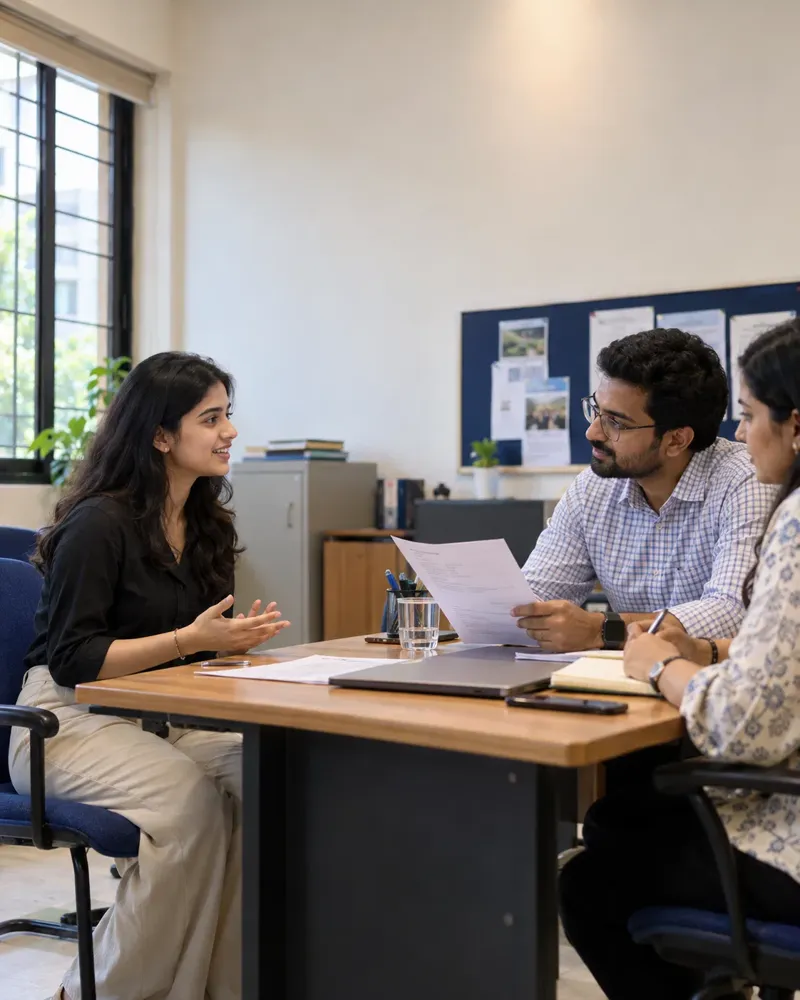
Finance Committee

04

Board of Studies
Separately for Arts, Commerce, Science and Self-Finance streams.
05

IQAC
Internal Quality Assurance Cell.
Non-statutory
06
Steering Committee
07
Academic Audit Committee
Full statutory committee composition (Anti-Ragging, ICC, Grievance and others) is listed under Compliance.
Infrastructure
Campus & Facilities
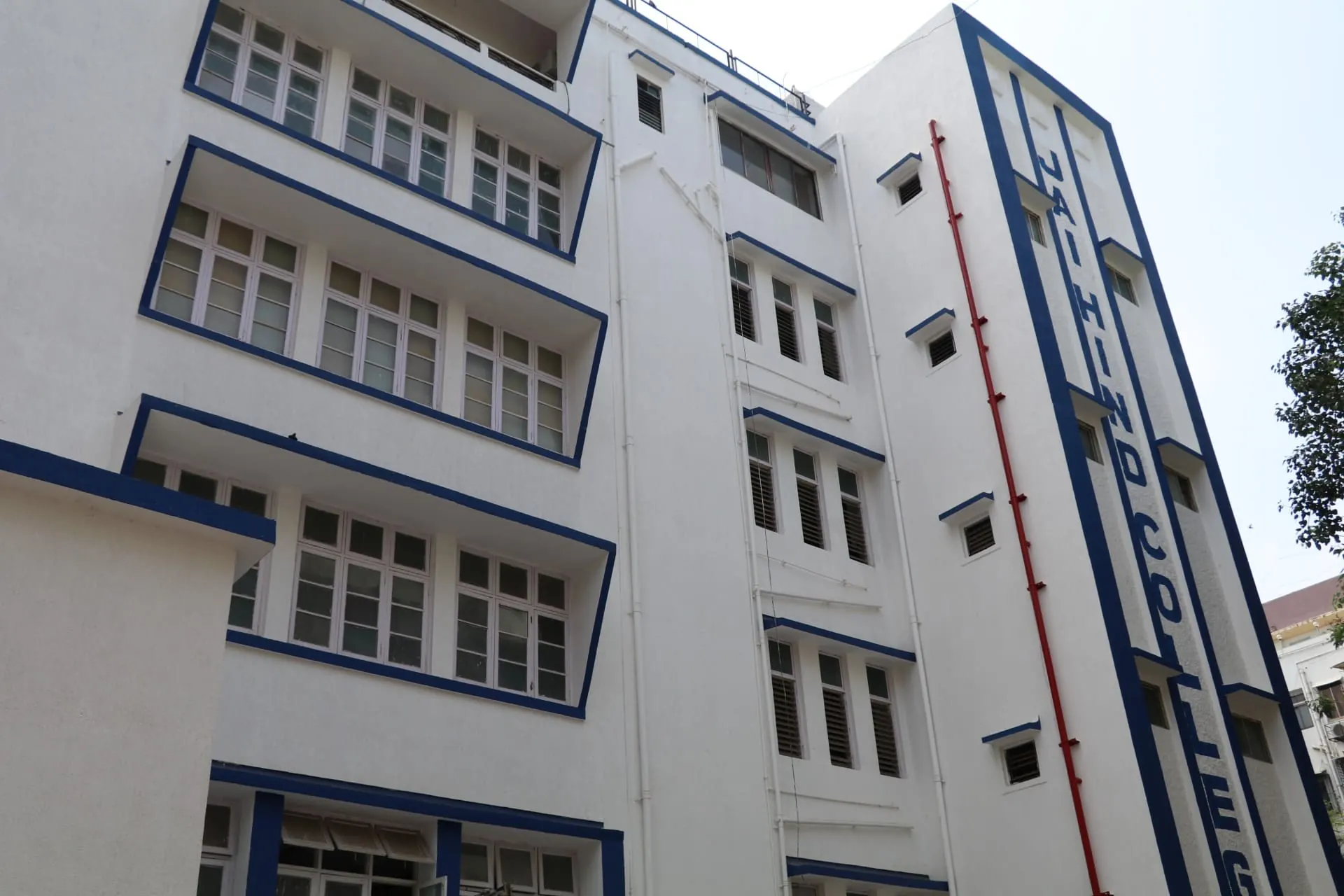
Jai Hind College operates from a compact, high-density campus of about one acre on ‘A’ Road, Churchgate, in the heart of South Mumbai’s educational and business district. Through efficient vertical design and continuous modernisation, the College has turned its limited footprint into a technology-enabled learning environment. Classrooms are air-conditioned and equipped with projectors, smart boards and digital teaching tools, supporting blended and interactive pedagogy in line with NEP 2020. The College runs a full range of specialised laboratories for Biotechnology, Chemistry, Physics, Electronics, Botany, Life Sciences, Microbiology, Psychology and Computer Science. A campus-wide Wi-Fi network and a central computer centre support the College’s data science, software development and AI-integrated programmes. The College’s Incubator and Accelerator Centre gives student entrepreneurs dedicated space to develop start-up ideas. Together with the Jai Hind Research Centre, it forms the core of the College’s innovation and research infrastructure.
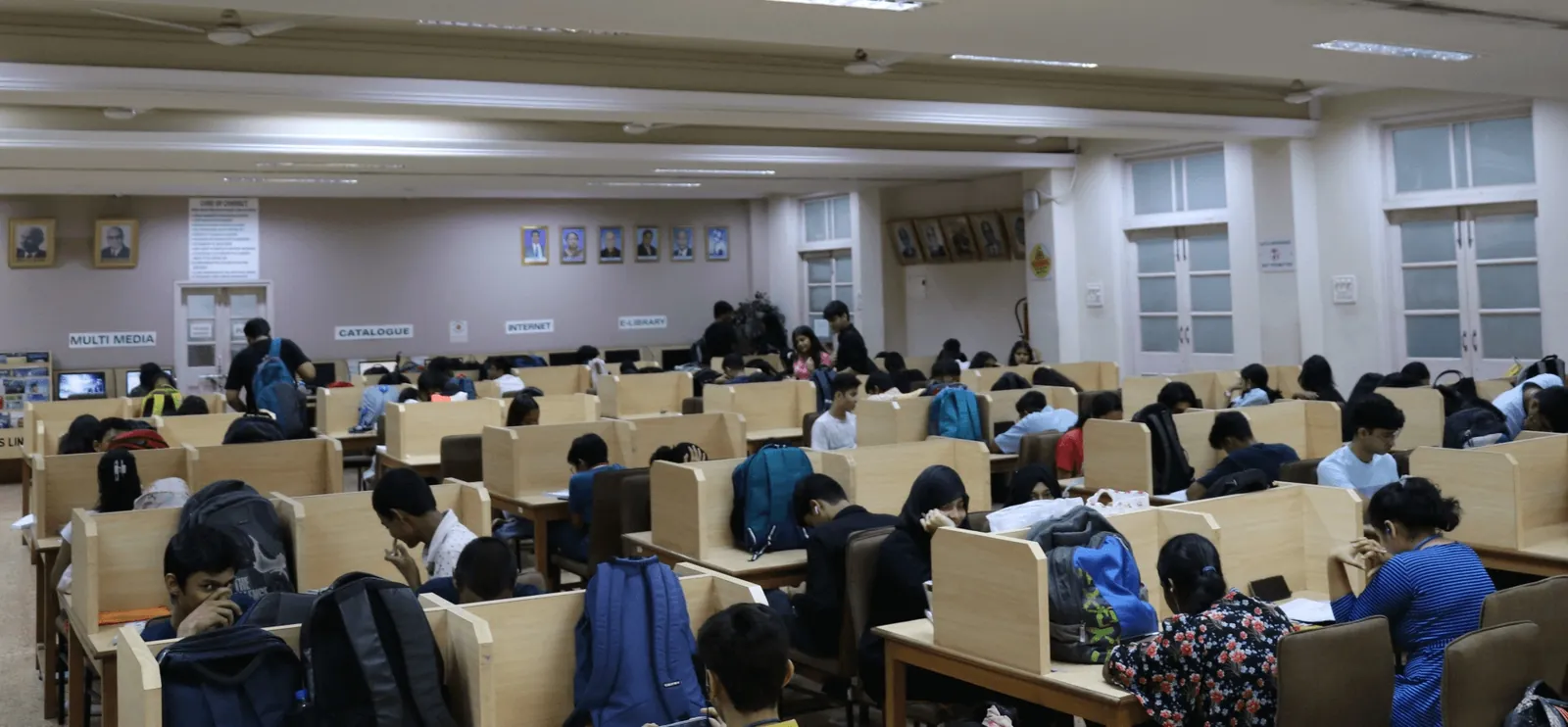
The College’s learning resources are anchored by a fully automated library with about 52,100 volumes. The library subscribes to 19 daily newspapers, 30 journals and 45 periodicals, and holds a broad reference collection. Students also have Wi-Fi-enabled access to e-journals, e-books and digital collections that can be used remotely. A well-maintained auditorium (seating capacity 500) serves academic conferences, guest lectures, cultural festivals and international events, and seminar spaces supplement it. Student welfare and holistic development are supported by a gymnasium, indoor and outdoor sports facilities, a medical clinic, a cafeteria, a convenience store and on-campus banking services. These are complemented by an active NCC unit and a wide network of student clubs and associations. The College continues to invest in its infrastructure. Current priorities include AI-enabled computer labs, expanded space for academic and co-curricular activities, and a green-campus model suited to its urban setting.
~1 acre
‘A’ Road, Churchgate
52,100
Library volumes
500
Seat auditorium
Wi-Fi
Campus-wide network
To be supplied
Number of laboratories, computer terminals and ICT-enabled classrooms (from NIRF / IQAC data).
Library
Fully automated library with about 52,100 volumes, 19 daily newspapers, 30 journals and 45 periodicals, plus remote access to e-journals and e-books.
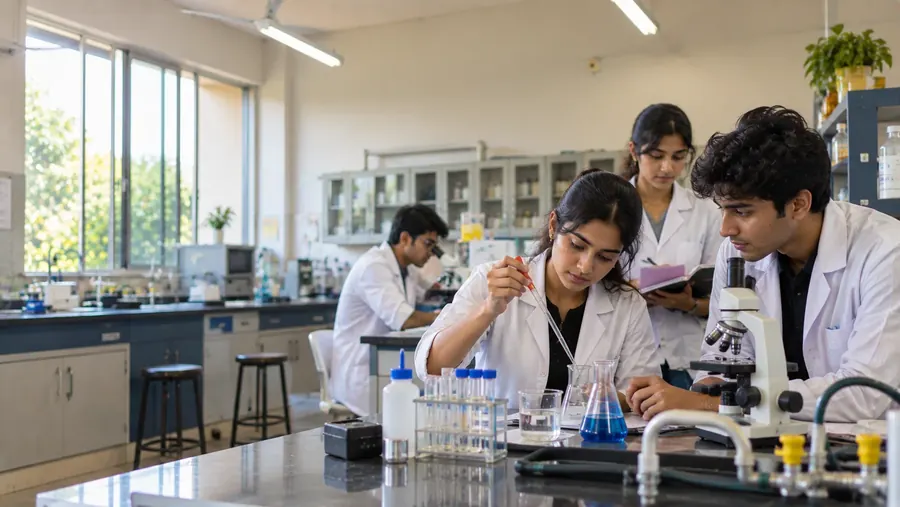
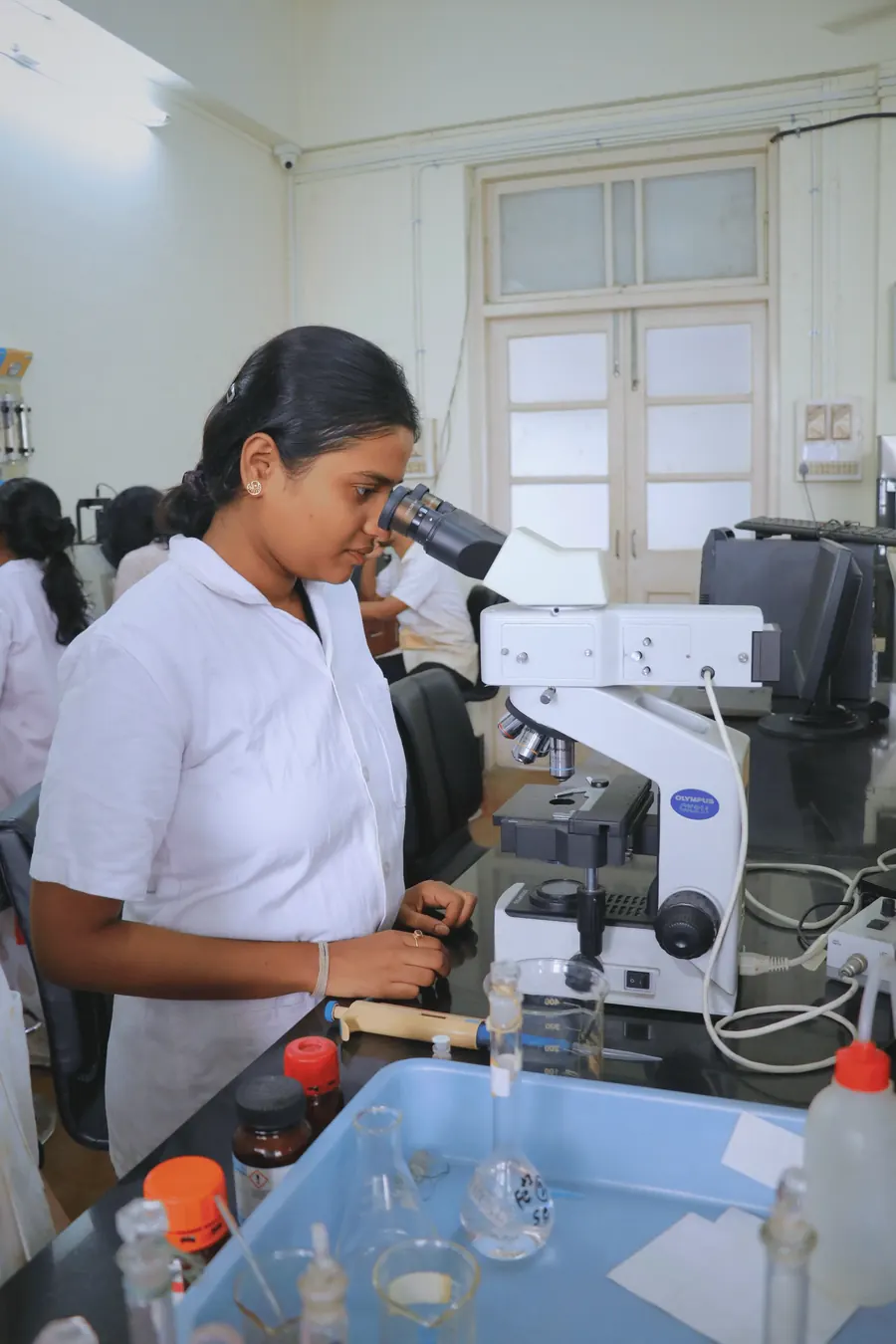
Science Laboratories
Physics, chemistry, botany, zoology and microbiology labs for UG/PG practical work.
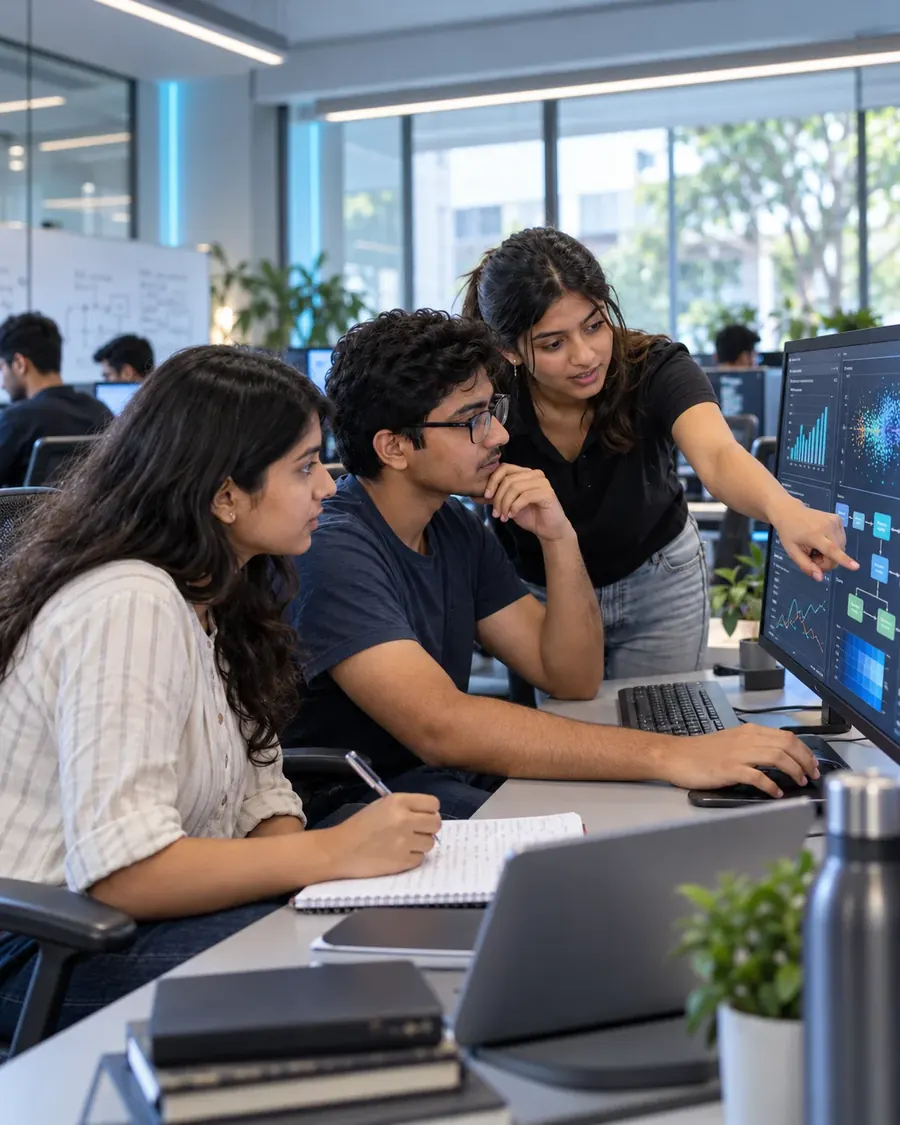
Computer Labs
Multiple labs with high-speed internet for BSc IT, Commerce and research students.
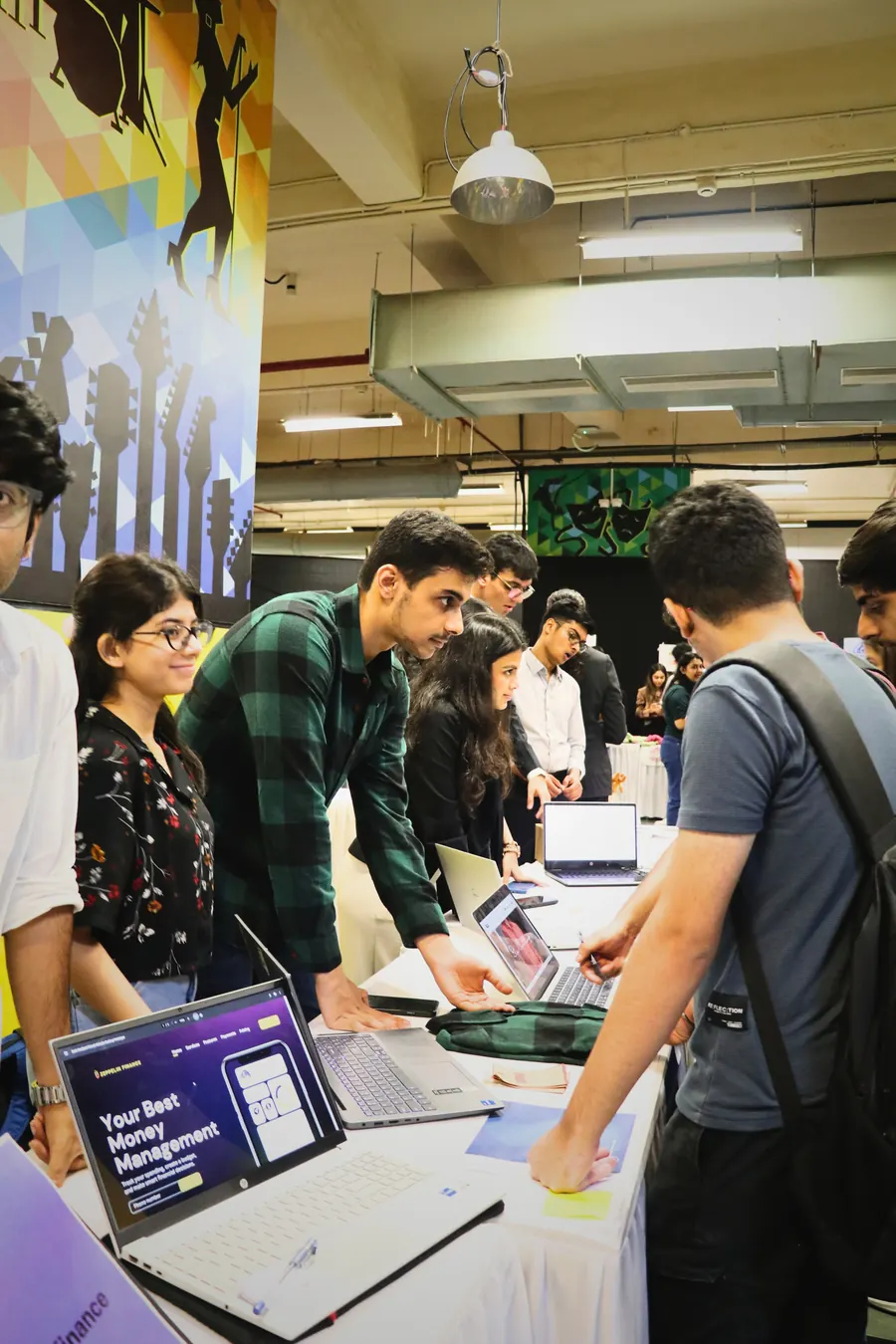
Auditorium
Seating capacity 500, for conferences, guest lectures, cultural festivals and international events.

Sports
Indoor and outdoor sports facilities.
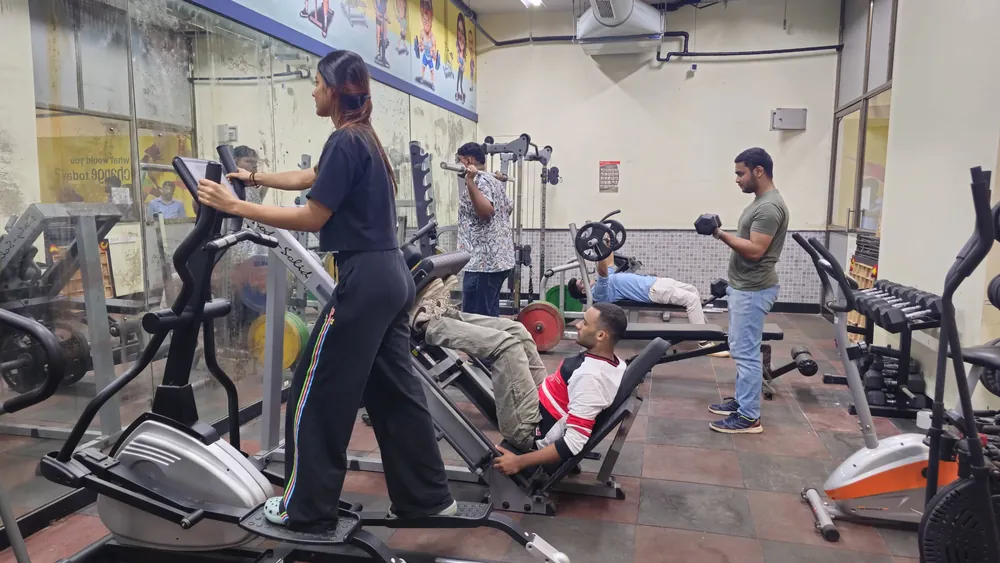
Gymkhana
Gymnasium for students.

Cafeteria
Medical facilities, cafeteria/canteen, convenience store, banking facilities, Wi-Fi and accessibility provisions.
A campus for learning, research, innovation and student success
Infrastructure at Jai Hind College, Mumbai
Where legacy meets the future of learning
Jai Hind College (Empowered Autonomous), Churchgate, Mumbai, offers a distinctive higher education experience shaped by academic excellence, interdisciplinary learning, research, creativity and student-led initiatives. Located on A Road in Churchgate, one of South Mumbai’s prominent educational and commercial districts, the College brings together its rich institutional legacy and a learning environment responsive to the aspirations of a new generation.
Guided by its enduring motto, “I Will and I Can,” Jai Hind College views infrastructure as an essential part of the educational experience. Classrooms, laboratories, the library, an Auditorium, an AV room, Multipurpose Room, Gymnasium, two Pickleball courts, research facilities, technology-enabled learning spaces, startup Hub and Incubator and student activity areas provide the foundation for academic engagement, practical learning, intellectual exploration and personal development.
The College’s campus infrastructure supports programmes across Arts, Science, Commerce, Management, Information Technology, Media Studies and vocational and interdisciplinary education. These learning environments enable students to connect classroom concepts with practical applications, develop professional competencies, explore research questions and participate in academic and extracurricular activities.
Academic infrastructure and learning spaces
Where knowledge meets inquiry, collaboration and discovery
At Jai Hind College (Empowered Autonomous), the classroom is at the heart of the academic experience, a space where ideas are explored, perspectives are challenged, and knowledge is transformed into understanding. The College’s academic buildings provide learning environments that support lectures, interactive discussions, tutorials, presentations, group projects and collaborative learning across disciplines.
Classrooms of varying capacities cater to diverse teaching and learning requirements, while technology-enabled facilities in designated spaces enhance the delivery of academic content. Audiovisual resources and digital teaching tools, wherever available, enrich classroom engagement through presentations, documentaries, case studies and multimedia learning.
Learning at Jai Hind extends beyond the exchange of information. Students are encouraged to think critically, communicate effectively, investigate questions, interpret evidence and apply their knowledge to real-world contexts. Classroom teaching is complemented by projects, presentations, experiential activities, collaborative assignments and discipline-specific learning experiences that connect academic concepts with practical applications.
Across the humanities and social sciences, students develop analytical perspectives through historical inquiry, evidence-based interpretation and critical engagement with society. In management and commerce, they explore business scenarios, entrepreneurship, organisational challenges and decision-making. Science education connects conceptual understanding with laboratory-based investigation, while programmes in technology, media and vocational disciplines emphasise practical application, industry-relevant skills and problem-solving.
These varied approaches reflect the College’s commitment to an engaging, multidisciplinary and student-centred learning experience. By bringing together academic rigour, intellectual curiosity and opportunities for active participation, Jai Hind College’s learning spaces help students build the foundations for advanced study, professional careers, entrepreneurship and lifelong learning.
At Jai Hind, the classroom is not simply where learning begins, it is where curiosity takes shape, confidence grows and possibilities unfold.
Laboratories and practical learning
Experiential learning through science, technology and experimentation
Jai Hind College recognises the importance of practical learning in developing scientific understanding and technical competence. Its laboratory infrastructure complements classroom instruction by providing opportunities for observation, experimentation, practical coursework and the application of scientific principles.
The College’s published laboratory and academic information identifies facilities associated with Physics, Chemistry, Botany, Computer Science, Media and Psychology, alongside specialised scientific and research facilities. The availability and configuration of individual laboratories vary by discipline and programme.
Laboratory-based learning encourages students to formulate questions, follow appropriate procedures, record observations, interpret findings and develop evidence-based conclusions. It also promotes precision, safety awareness, responsible equipment use and systematic problem-solving.
For students pursuing science and technology-related programmes, these experiences provide a foundation for further study, research and professional development. Computing and other discipline-specific practical environments complement this approach by helping students develop digital literacy, technical confidence and applied knowledge.
Media Lab
A Space for Creativity, Communication and Digital Storytelling
At Jai Hind College (Empowered Autonomous), Mumbai, the Media Lab represents the possibilities of contemporary media, communication and creative expression in higher education. It reflects the institution’s commitment to nurturing creativity, strengthening communication skills and encouraging students to explore the dynamic relationship between technology, information and society.
In an increasingly digital world, media literacy, visual communication, content creation and digital storytelling have become essential competencies across disciplines. A media lab provides an environment in which students can engage with the principles and practices of media production, develop their creative abilities and understand the evolving landscape of digital communication.
Accreditation & Rankings
Recognised nationally & globally
01

DST-FIST and DBT-STAR
Recipient
02
College of Excellence
Recognised by RUSA, MHRD, Govt. of India
03
Best College Award, University of Mumbai
c. 2014–15
04

The Week, Top 25 nationally, Arts
Three consecutive years as of 2025
05

IIRF #36, Journalism
2025
06

NIRF
Submits data annually; cycles on file 2020–2025. Published rank band to be confirmed.
Awards & Recognition
Honours on record
University of Mumbai
Best College Award
01
NAAC A+, 4th Cycle
02
College of Excellence (RUSA/MHRD)
03
India Today Top College listing
2000
04
DST-FIST, DBT-STAR
MoUs & Collaborations
Academic, industry and international partners
Academic
Academic partners
To be supplied
List of academic MoU partners.

Industry
TCS
M.Sc. in Big Data Analytics, offered in collaboration with TCS.

International
Global partners
Student and faculty exchange partners are listed on the Global page.
Explore the campus
Campus Tour
Visit Jai Hind College
“A” Road, Churchgate, Mumbai – 400 020. A short walk from Churchgate station and Marine Drive.