
Entrepreneurship & Skilling
The Entrepreneurship Cell, Startup Hub, Family Managed Business programme, Jai Hind Business Conclave, industry–academia interface the Skilling-to-Employment Framework and NSQF-aligned programmes.
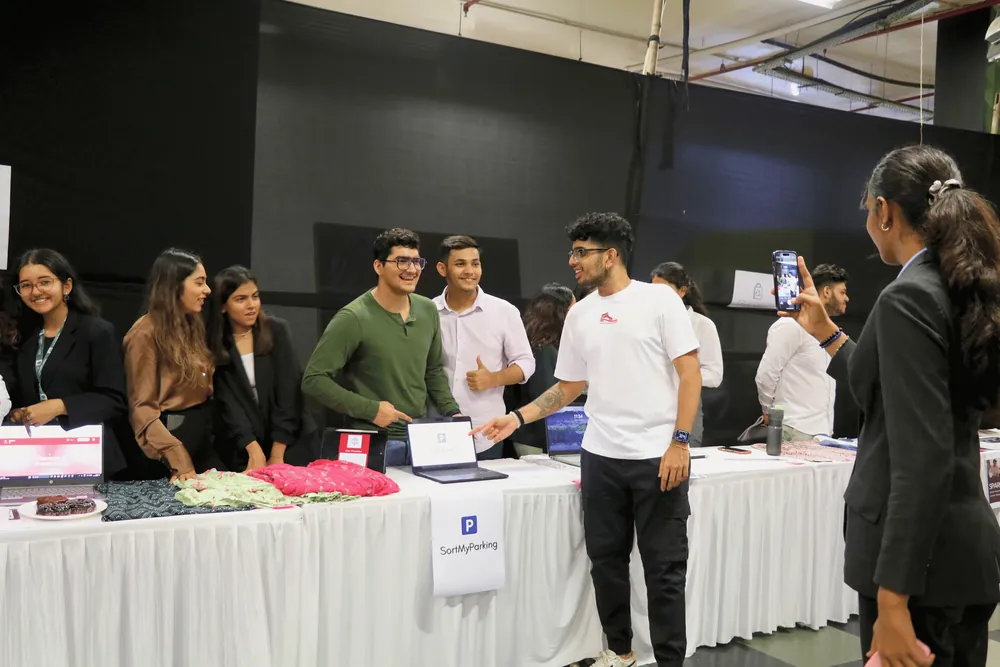
Incubation & Startup Exposition
Entrepreneurship Cell
The Incubator & Accelerator Centre (under RUSA) hosts the annual Startup Exposition, where student ventures present to investors, mentors and visitors.
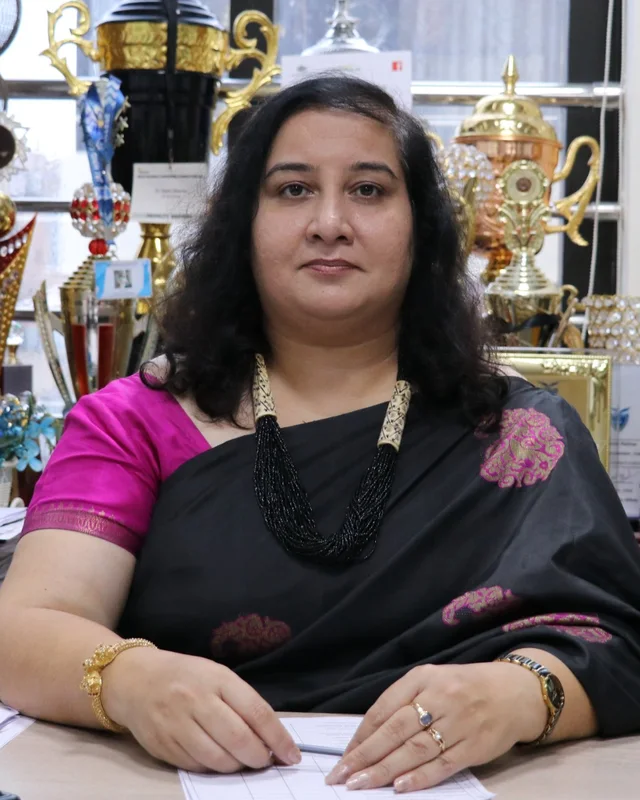
Coordinator
Dr. Rakhi Sharma
Entrepreneurship Cell
Startup Exposition
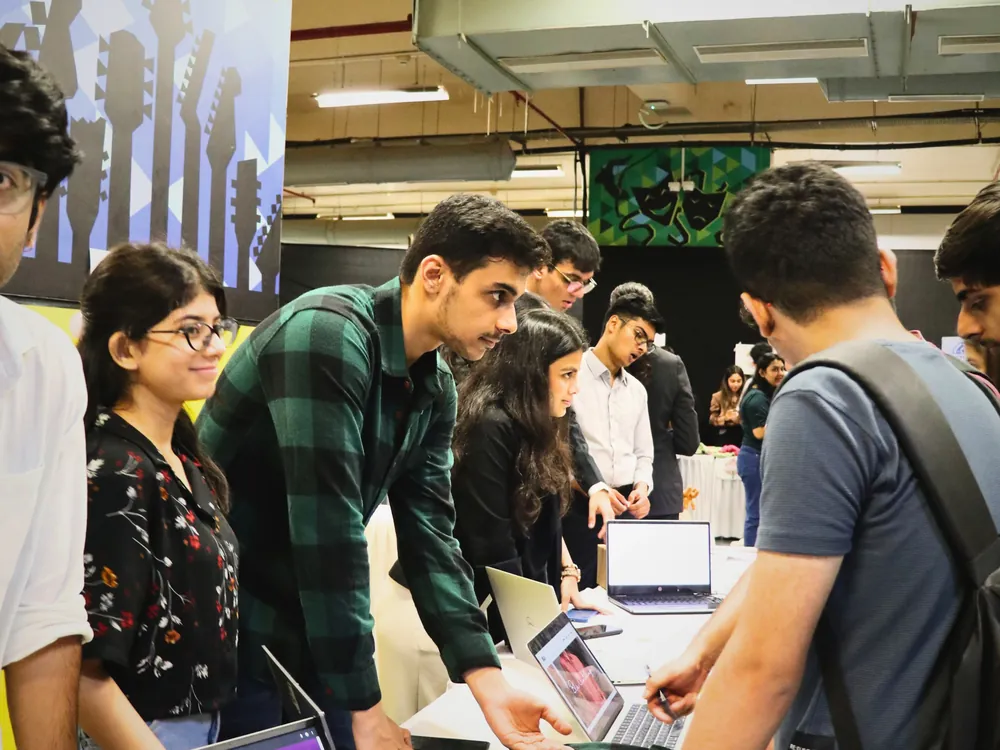
Student Ventures
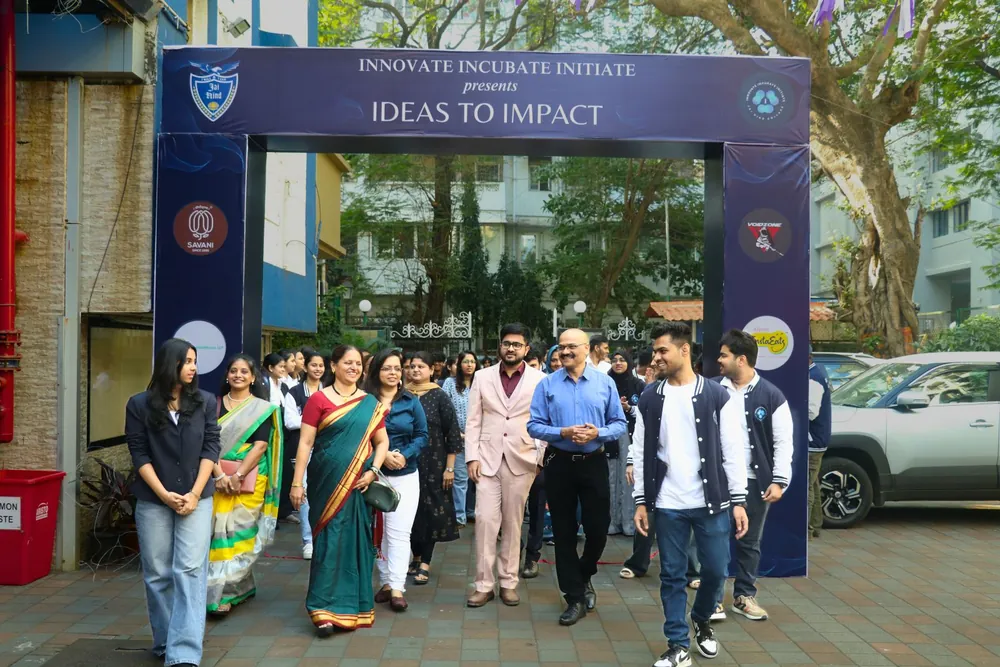
Ideas to Impact
Presented by Innovate Incubate Initiative.
Incubator & Accelerator Centre · Annual Report 2024–25
Startup Hub
The Internship Fair brought in companies including The Souled Store, Decathlon, Zouk and Pocket Aces. The third Start-Up Exposition was held alongside the Global E-Summit organised by the College. Media coverage of the incubator’s ventures included a student start-up advertisement screened at PVR Goregaon and on transit media.



73
Start-ups incubated across 6 cohorts
2,000+
Students at the Internship Fair, with 40+ companies
24+
Start-ups at the 3rd Start-Up Exposition, with 23+ mentors
8
Teams in the “Undercover Billionaire” pitch competition
Student start-ups showcased
D
Drishti Technologies
Ved Sanap
5
505 Coffee
Rohan Jhaveri
G
Grace
Smit Oswal and Hrushikesh Takbhate
K
Keshavox Game Studios
Dhruva Suthar
M
Medisphere
Anas Khan
P
Papperchk
Vrat Bagla

Family Managed Business (FMB)
To be supplied
Programme overview, structure and who it is for.

Jai Hind Business Conclave
To be supplied
Conclave editions, dates, speakers and photos.

Industry–Academia Interface
To be supplied
Industry partnerships, guest sessions and live projects.
Skilling @ Jai Hind
From Education to Employability
At Jai Hind College, we believe that a degree should do more than impart disciplinary knowledge. It should equip students with the skills, confidence, experience and adaptability required to succeed in a rapidly changing world of work.
Our approach to skilling is therefore built into the curriculum rather than treated as an additional activity. Students move through a structured progression:

Step 1
Foundation
Step 2
Skill

Step 3
Apply

Step 4
Experience

Step 5
Specialise

Step 6
Employ
The objective is to create graduates who are not only knowledgeable, but also work-ready, digitally capable, professionally confident and entrepreneurial.
The framework
The Jai Hind Skilling-to-Employment Framework
Eight skilling pillars run through the three years of a degree. The chart shows when each pillar applies; the cards below explain each one.
Pillar
First Year
Second Year
Third Year
01 · Foundation
First Year — Build the Core
The first year focuses on giving students the foundational capabilities needed for academic and professional progression.
View 10 skills
- English and communication
- Digital literacy
- AI literacy
- Excel and office productivity
- Financial literacy
- Python and basic programming
- Data and statistics
- Soft skills
- Discipline-specific foundational skills
- Entrepreneurship and workplace awareness
02 · Skill Development
Second Year — Build Professional Capability
The second year moves students from basic competence towards application-oriented and professional skills, through Skill Enhancement Courses and Vocational Skill Courses.
View 11 skills
- Data Analytics
- Web Design
- Marketing
- Finance
- Research
- Digital Business
- Psychology
- Communication
- Tourism
- Laboratory Skills
- Entrepreneurship
03 · Multidisciplinary Skilling
Learn Beyond Your Degree
The workplace does not operate in disciplinary silos. The AY 2026–27 curriculum mapping includes 46 distinct Open Elective offerings, building a T-shaped profile: depth in one discipline + breadth across complementary skills.
View 11 skills
- AI
- Data Analysis
- Finance
- Law
- Entrepreneurship
- Statistics
- Consumer Psychology
- Financial Planning
- Digital Platforms
- Human Resource Management
- Design Thinking

04 · Future Skills
AI + Digital + Data
AI, digital literacy and data capability are becoming foundational across almost every profession. The emphasis is on using technology to solve problems, communicate ideas and improve professional effectiveness.
View 12 skills
- Artificial Intelligence
- AI literacy
- AI for research and professional life
- Python
- R Programming
- Power BI
- Data Analytics
- Excel
- Web Designing
- Digital Business
- Digital Platforms
- Quantitative Analysis
05 · Professional & Employability Skills
From Knowledge to Workplace Confidence
Technical competence must be complemented by the ability to communicate, collaborate and perform professionally, through Ability Enhancement and Skill Enhancement Courses.
View 9 skills
- Communication
- Presentation
- Self-awareness
- Empathy
- Professional Behaviour
- Teamwork
- Research
- Problem Solving
- Aptitude
06 · Experiential Skilling
Learn by Doing
Field Projects, Internships and On-the-Job Training enable students to apply disciplinary and professional knowledge in practical environments, so they graduate with evidence of having applied what they have learned.
View 2 skills
- SY → Field Projects
- TY → Internships / OJT / Industry Exposure

08 · Entrepreneurship & Career Creation
From Job Seeker to Opportunity Creator
Employment is one pathway. Entrepreneurship is another. Students develop the ability to Identify → Ideate → Design → Build → Pitch → Create.
View 7 skills
- Entrepreneurship
- Innovation
- Venture Creation
- Design Thinking
- Business Development
- Start-up Accounting
- Digital Business
07 · Domain & Industry Skills
Skills Mapped to Career Pathways
Jai Hind’s skilling ecosystem is deliberately discipline-sensitive. Different student cohorts develop different employment-oriented skill clusters, so skilling is contextualised to the learner’s disciplinary and career ecosystem.
Science & Life Sciences
- Laboratory Techniques
- Instrumentation
- Research Methodology
- Bioanalytical Techniques
- Environmental Monitoring
- Statistical Analysis
Technology & Data
- Python
- C++
- Computer Networks
- Data Analytics
- Power BI
- Web Design
- Digital Literacy
Management & Business
- Entrepreneurship
- Business Innovation
- Design Thinking
- Business Management
- Digital Business
- Venture Creation
Commerce & Finance
- Financial Modelling
- Excel
- Accounting
- Taxation
- Capital Markets
- Financial Planning
- Business Research
Media & Communication
- Advertising
- Journalism
- Photography
- Videography
- Media Tools
- Digital Content
- Portfolio Development
Human & Social Sciences
- Counselling
- Behavioural Economics
- Research Methodology
- Psychology
- Communication
- Public Policy, Archival and Museum Studies
Tourism & Hospitality
- Customer Service
- Travel & Tourism Marketing
- Visa Documentation
- Office Automation
- Event & Conference Planning
- Tour Management
Targeted, not generic
Identifying the Target Skill Cohorts
FY
Foundational Digital + Communication + Financial + AI Skills
→ Build employability foundation
FY–SY
Vocational & Skill Enhancement
→ Develop practical competence
SY
Domain Skills + Open Electives + Field Projects
→ Build application capability
SY–TY
AI + Data + Advanced Professional Skills
→ Future-proof capabilities
TY
Industry / Domain Specialisation
→ Career preparation
TY
Internship + OJT + Projects
→ Workplace exposure
TY / Final Transition
Career & Entrepreneurship
→ Employment / Higher Studies / Enterprise
Skills qualification
NSQF Mapping
Programmes aligned to the National Skills Qualifications Framework.

NSQF aligned
BVoc Travel & Tourism Management
NSQF aligned
BVoc Software Development
Start something
Have an idea?
Talk to the Entrepreneurship Cell about incubation, mentoring and the next Startup Exposition.